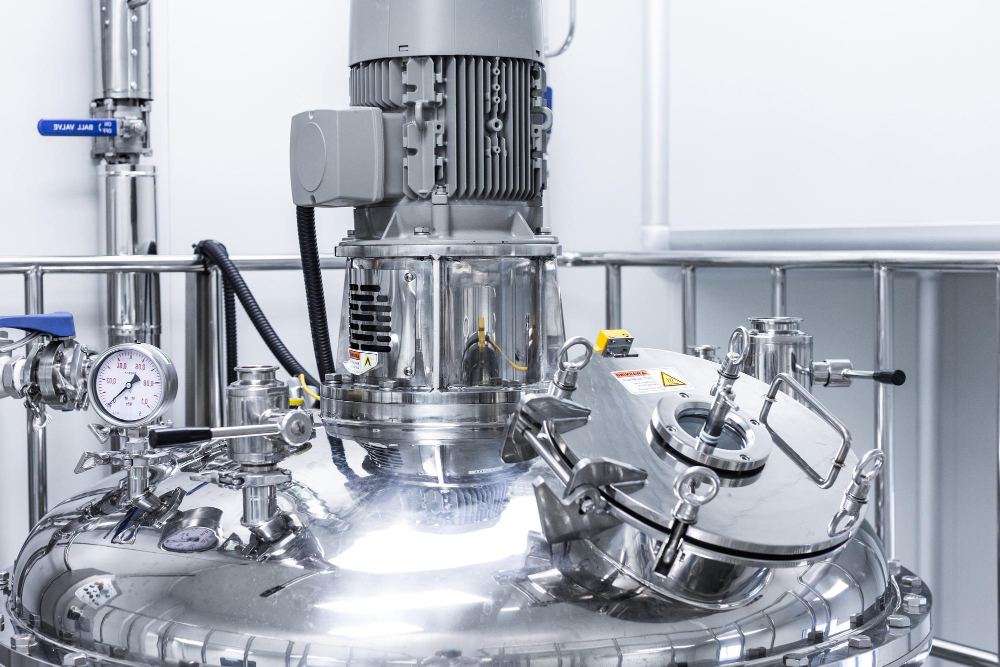
Gas turbine
The basic components of a gas turbine include a compressor, a combustor, a turbine, and a generator. Here's a brief explanation of how a typical gas turbine works:
Compressor: The process starts with the compressor, which draws in atmospheric air and compresses it to a higher pressure. The compressor typically consists of multiple stages of rotating blades that increase the pressure of the air.
Combustor: The compressed air then enters the combustor, where it is mixed with fuel (such as natural gas, diesel, or kerosene) and ignited. The combustion of the fuel-air mixture produces high-temperature, high-pressure gases.
Turbine: The hot gases from the combustor flow into the turbine, where they expand and produce rotational motion. The turbine consists of a series of blades mounted on a shaft. As the hot gases pass over these blades, they cause the turbine to rotate.
Generator: The rotating turbine shaft is connected to a generator, which converts the mechanical energy of the turbine into electrical energy. The generator produces electricity that can be used to power various devices or fed into an electrical grid.
Exhaust: After passing through the turbine, the exhaust gases are expelled from the system through the exhaust stack. These gases are typically hot and still contain some energy, so they can be further utilized in combined heat and power systems to produce steam or hot water for industrial processes or heating purposes.
Gas turbines are widely used in power generation, aviation, and various industrial applications due to their high power-to-weight ratio, compact design, and quick startup capabilities. They are often used in aircraft to provide propulsion and electrical power. In power plants, gas turbines can be used individually or in combined cycle configurations with steam turbines to increase overall efficiency.
It's important to note that gas turbines can have different configurations and designs based on their specific applications. They can vary in size from small units used for power generation in remote locations to large industrial turbines used in power plants. The technology continues to evolve, with advancements aimed at improving efficiency, reducing emissions, and enhancing operational flexibility.

1A / 246 Neelam Bata Road NIT Faridabad, Haryana, India 121001
C-372-C, Sushant Lok-1, Gurgaon, Haryana, India 122009
Designed and Developed By: Hypertonic IT Solutions